When people hear the term “MP,” or Member of Parliament, it often evokes images of politicians debating laws in grand chambers. But what does it truly mean to be an MP? Beyond the formal title, MPs are influential figures who shape the direction of government, impact everyday lives, and represent the diverse voices of their communities.
Understanding the role of an MP matters now more than ever. As political landscapes evolve and the public demands greater accountability, knowing what MPs do and how they operate helps citizens engage more meaningfully in democracy. This article breaks down the responsibilities, challenges, and significance of MPs in modern politics.
The Core Responsibilities of an MP
At its heart, an MP serves as a bridge between the government and the people. But this role involves several key functions, each critical to how political systems work.
Representing Constituents
Every MP is elected to represent a specific area called a constituency. Their job is to listen to the concerns, needs, and opinions of the people living there. This might involve meeting with local groups, responding to letters and emails, or campaigning on issues that matter most to their voters.
Effective MPs take this representation seriously, ensuring that their constituents’ voices influence national discussions. They champion local causes in parliamentary sessions, making sure that policies reflect the realities on the ground.
Legislative Duties
One of the most visible responsibilities of an MP is participating in the legislative process. This means debating, amending, and voting on proposed laws. MPs scrutinize bills brought forward by the government or by other MPs, weighing their impacts on society, the economy, and the country’s future.
This legislative function demands careful analysis and often requires MPs to balance party loyalty with their personal judgment and constituents’ interests.
Holding the Government to Account
MPs also play a vital watchdog role. Through questioning ministers, participating in committees, and demanding transparency, MPs ensure the government operates fairly and responsibly. This oversight helps prevent abuses of power and keeps public confidence in democratic institutions strong.
How MPs Are Elected and What It Means for Democracy
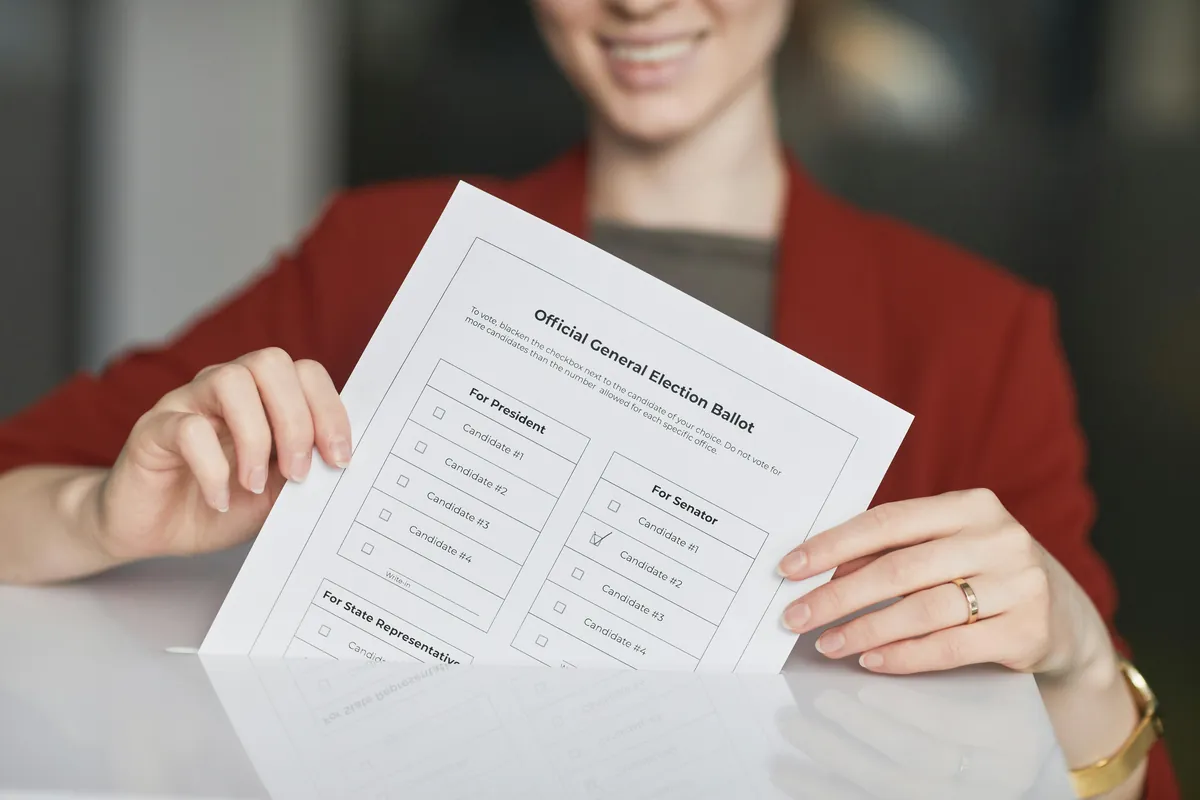
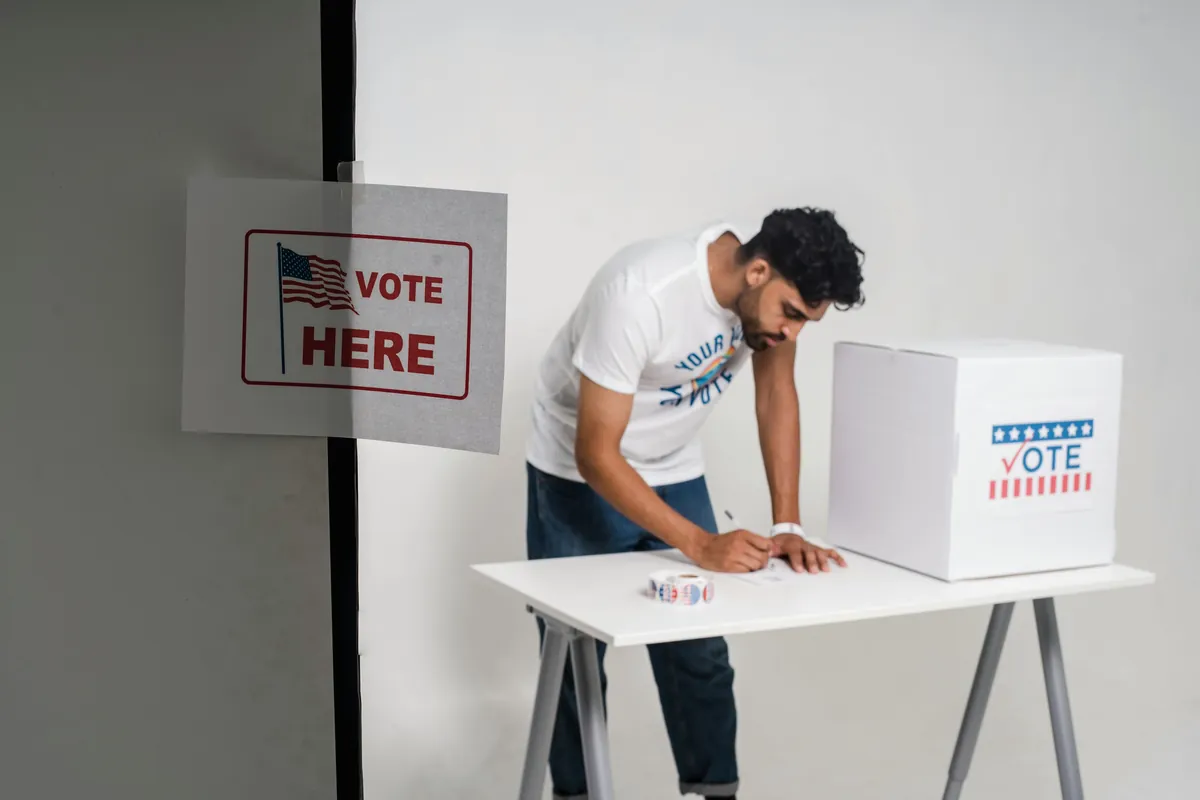
The process by which an MP takes office varies by country but generally involves public elections held at regular intervals. These elections are foundational to democratic governance.
Electoral Systems and Their Impact
Different countries use different voting systems for electing MPs. While some rely on first-past-the-post, where the candidate with the most votes wins, others use proportional representation or mixed systems. Each method affects the diversity and political landscape of parliament.
Understanding the electoral system helps citizens appreciate how their vote translates into seats and influence. It also sheds light on challenges such as voter turnout and political polarization.
The Role of Political Parties
Most MPs are affiliated with political parties, which provide support, resources, and a platform. Parties shape MPs’ priorities and strategies, often setting the overall agenda within parliaments. News Europe: Navigating the Continent’s Shifting Political Landscape
Yet, being an MP also means navigating party expectations while maintaining independence. Some MPs are known for breaking ranks to support or oppose legislation based on conscience or constituency interests.
Challenges MPs Face Today
While the role of an MP is prestigious, it is not without challenges. The political climate, public scrutiny, and workload can make their job demanding. The Most Watched Video on YouTube: Why It Captivates Millions Worldwide
Balancing Responsibilities and Public Expectations
MPs must juggle multiple roles — policy-maker, spokesperson, constituency advocate — often with limited time. Constituents increasingly expect accessibility and responsiveness, pushing MPs to maintain strong communication channels.
Dealing with Political Polarization
Modern politics can be highly polarized, making consensus-building tricky. MPs may find it difficult to collaborate across party lines, impacting the effectiveness of parliamentary work and legislation.
Maintaining Integrity and Public Trust
In an era rife with misinformation and skepticism, MPs must work hard to demonstrate honesty and transparency. Any missteps can quickly erode public confidence, which is crucial for a functioning democracy.
The Impact MPs Have Beyond the Parliament Walls
The influence of MPs extends far beyond debating laws. Their decisions shape national policies that affect education, healthcare, economic growth, and social justice.
Championing Social Change
Many MPs use their platform to push forward progressive agendas, advocate for marginalized communities, and promote sustainability. Their leadership can spark broader social movements and reforms.
Engaging in Global Discussions
MPs often participate in international forums and collaborations, representing their country’s interests on the world stage. This global engagement shapes diplomacy, trade, and security policies that impact citizens’ lives.
Conclusion: Why Understanding MPs Matters
MPs are more than just political figures; they are central players in democratic governance. By representing citizens, shaping laws, and holding governments accountable, MPs influence the direction of nations. For citizens, knowing what MPs do and the challenges they face fosters deeper civic engagement and a stronger democracy.
Staying informed about the role of MPs empowers you to participate meaningfully in elections, hold elected officials accountable, and contribute to the political conversation that shapes your community and country.
FAQ
What is the difference between an MP and a senator?
MPs are typically members of the lower house in parliamentary systems, representing specific constituencies, while senators usually serve in the upper house, often appointed or elected regionally. Their roles and powers vary by country.
How can constituents contact their MP?
Most MPs have official websites, email addresses, and local offices where constituents can reach out. Social media platforms also offer ways to communicate directly with MPs.
Do all MPs belong to political parties?
While most MPs are affiliated with parties, some are independents who run and serve without party ties, often focusing on local issues or particular causes.
How often are MPs elected?
The frequency of elections varies by country but usually ranges between every 3 to 5 years. Some systems allow for early elections under certain conditions.
Can an MP lose their seat before an election?
Yes, MPs can lose their seat through resignation, disqualification, or other legal processes, sometimes triggering by-elections to fill the vacancy. Wikipedia