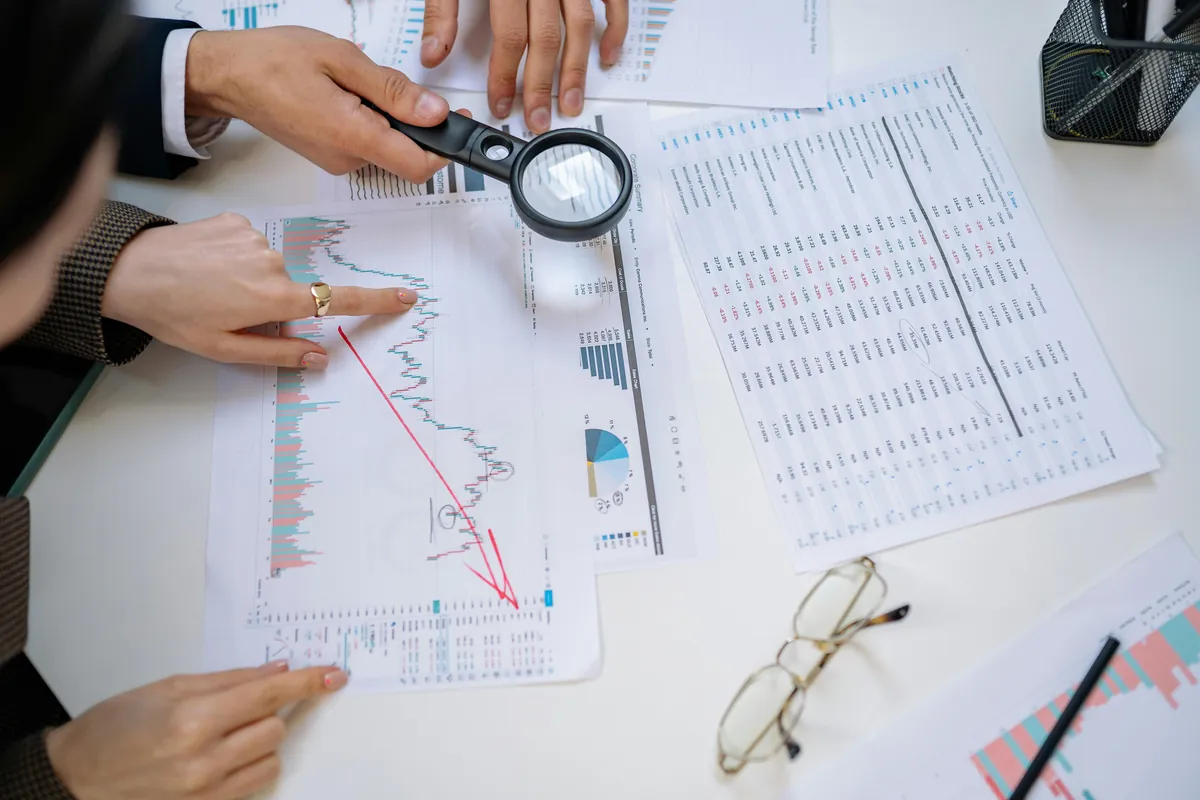
In today’s fast-paced financial environment, staying informed about market trends is essential for maintaining not just monetary well-being but overall financial health. The hang seng ka chart serves as an important tool for investors and analysts focusing on Hong Kong’s stock market, providing clear insights into price movements and market behavior.
Whether you’re a seasoned investor or just starting, understanding how to read and interpret the Hang Seng KA chart can help you make smarter decisions and improve your financial strategy. This article breaks down what the Hang Seng KA chart is, why it matters, and how you can use it effectively.
What is the hang seng ka chart?
The Hang Seng KA chart is a graphical representation of the Hang Seng Index’s price movements over a specific time period. The “KA” commonly refers to the K-line or candlestick chart, a popular format used in technical analysis that conveys price action through distinctive visuals.
This type of chart captures multiple data points including opening price, closing price, highs, and lows of the index throughout a trading session. It is widely used to detect patterns, trends, and potential reversals in market behavior.
Why Investors Rely on the Hang Seng KA Chart
The Hang Seng KA chart is favored by traders because it provides more detailed information than traditional line charts. Its visual candlestick format lets investors quickly gauge market sentiment—whether bullish or bearish—and make timely decisions.
Moreover, understanding these charts helps in anticipating market movements, managing risks, and identifying entry and exit points in trading, which contribute significantly to portfolio health and performance.
Key Features of the Hang Seng KA Chart
Candlestick Components
Each candlestick on the Hang Seng KA chart features four essential components:
- Open Price: The price at which trading begins for the given period.
- Close Price: The price at which trading ends.
- High Price: The highest price reached during the trading period.
- Low Price: The lowest price reached.
The body of the candlestick shows the range between opening and closing prices, while the wicks (or shadows) indicate the highs and lows. The color of the candlestick often signals market direction—commonly green for a price increase and red for a decrease.
Time Frames and Data Interpretation
Hang Seng KA charts can cover various timeframes, such as minutes, hours, days, or weeks. The choice depends on your trading style:
- Short-term traders use minute or hourly charts to spot immediate trends.
- Long-term investors might prefer daily or weekly charts for a broader market perspective.
Understanding which timeframe to focus on can improve analysis and help develop a trading plan aligned with your financial goals.
How to Read and Use the Hang Seng KA Chart for Better Financial Decisions
Identifying Trends
One of the most vital uses of the Hang Seng KA chart is spotting trends. An upward trend, marked by consecutive green candlesticks, suggests growing investor confidence and potential market gains. Conversely, a series of red candlesticks indicates downward pressure or market caution.
Recognizing these trends early can help you decide when to invest or divest, improving your portfolio’s resilience to market volatility.
Recognizing Patterns
The Hang Seng KA chart also reveals recurring candlestick patterns. Some common patterns include:
- Doji: Indicates indecision in the market and potential reversal.
- Engulfing Patterns: Signal shifts between buyers and sellers.
- Hammer and Hanging Man: Suggest reversal points after downtrends or uptrends.
Learning these patterns can provide signals on when to buy or sell, minimizing risks and maximizing gains.
Combining with Other Indicators
For enhanced accuracy, many investors combine the Hang Seng KA chart with other technical indicators such as moving averages, Relative Strength Index (RSI), and volume metrics. This multi-indicator approach confirms trends and reduces false signals.
This integrated analysis supports a more comprehensive view of market conditions and improves your financial decision-making process.
Practical Tips for Using Hang Seng KA Charts
Stay Updated with Market News
Charts alone don’t tell the full story. It’s crucial to stay informed about economic developments, corporate earnings, and geopolitical events that influence the Hang Seng Index. News often impacts investor sentiment, which is reflected in the chart’s movements.
Practice with Demo Accounts
Before applying real money, practice reading and trading using Hang Seng KA charts on demo accounts. Many online brokers provide tools where you can refine technical analysis skills without financial risk.
Keep a Trading Journal
Track your observations and decisions based on the Hang Seng KA chart to evaluate what works best. Reviewing your trades helps in learning from mistakes and improving strategy over time.
Conclusion
The Hang Seng KA chart is a powerful resource for navigating Hong Kong’s dynamic stock market. By offering detailed visual insights into price actions, it empowers investors to recognize patterns, predict market trends, and make smarter financial decisions.
Understanding how to properly read and employ this chart can enhance your financial health by reducing investment risks and identifying profitable opportunities. Whether you’re an experienced trader or new to the market, mastering the Hang Seng KA chart is a valuable step toward stronger financial management.
FAQ
What does “KA” in hang seng ka chart mean?
“KA” refers to the “K-line” or candlestick chart format used to display price data of the Hang Seng Index over time, showing open, close, high, and low prices in a visual manner.
Why is the Hang Seng KA chart important for investors?
It helps investors analyze market trends and price movements, enabling better timing of trades and reducing potential risks through informed decisions.
Can beginners use the Hang Seng KA chart effectively?
Yes, with some study and practice, beginners can learn to interpret candlestick charts and use them along with other tools to boost their trading success.
How do I start reading the Hang Seng KA chart?
Begin by understanding the components of each candlestick (open, close, high, low) and then learn to identify basic patterns and trends within the chart.
Are Hang Seng KA charts useful for long-term investing?
Absolutely. Longer timeframes such as daily or weekly charts provide insights into broader market trends, which assist long-term investors in making strategic decisions. Wikipedia