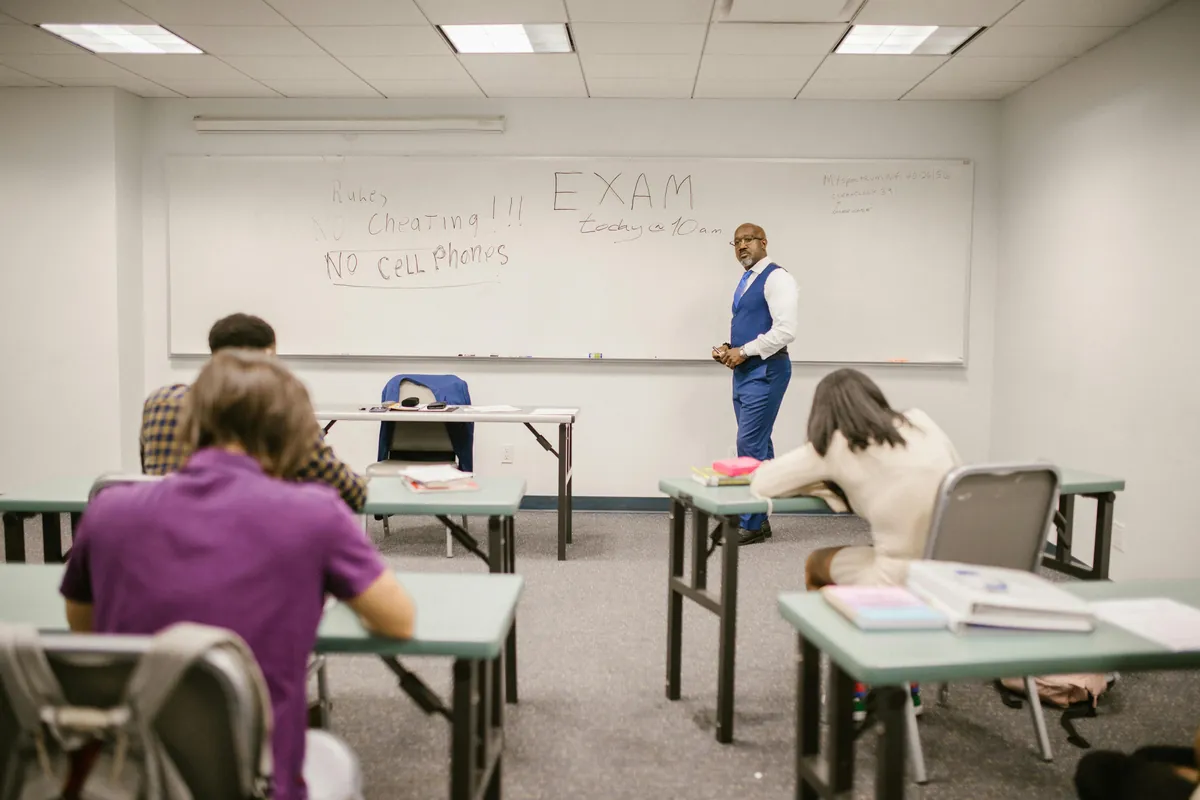
The COVID-19 pandemic transformed global education overnight, forcing schools, colleges, and universities to close their doors and shift to remote learning. As vaccination efforts against COVID-19 accelerated, the availability and administration of vaccines became pivotal to reopening educational institutions safely. This article explores the profound influence of the COVID-19 vaccine on education systems, analyzing how vaccination campaigns have shaped policies, student experiences, and the future of education worldwide.
Understanding the Role of the COVID-19 Vaccine in Education
The development and distribution of COVID-19 vaccines have been among the most significant public health achievements in recent history. Vaccines were recognized early in the pandemic as a critical tool to reduce virus transmission, severe illness, and death. For education sectors, the arrival of vaccines represented a hopeful turning point towards restoring in-person learning and normal school operations.
Globally, education leaders viewed vaccination as essential for creating a safer environment for students, educators, and staff. While remote learning was a temporary solution, its limitations became clear—learning loss, mental health challenges, and inequities surged. As a result, many countries prioritized vaccination among teachers, school personnel, and older students to facilitate a safer return to classrooms.
Vaccination as a Catalyst for Reopening Schools
Numerous governments tied school reopening plans to vaccination rates. For example, in the United States, the Centers for Disease Control and Prevention (CDC) recommended prioritizing educators in early vaccine distribution phases. Similarly, the European Union encouraged member states to vaccinate school workers promptly to enable schools to resume in-person activities without prolonged closures.
The correlation between vaccination coverage and school reopening timelines was clear. Regions with higher vaccine uptake among adults and eligible students experienced fewer disruptions and were able to maintain consistent in-person instruction. Conversely, areas with low vaccination rates faced intermittent closures and heightened infection outbreaks.
Challenges in Integrating COVID-19 Vaccination into Education Policies
Despite the proven benefits, integrating COVID-19 vaccination into education systems generated multiple challenges. Vaccine hesitancy among educators, students, and families created obstacles in achieving widespread immunity coverage necessary for safe physical gatherings.
Addressing Vaccine Hesitancy and Misinformation
Vaccine hesitancy stemmed from concerns about vaccine safety, misinformation circulating on social media, and mistrust in government or health authorities. Education institutions had to adopt comprehensive communication strategies to inform their communities about vaccine efficacy and safety.
Some districts implemented educational campaigns featuring healthcare professionals and community leaders to counteract misconceptions. Schools also hosted vaccination clinics on-site to increase accessibility, especially in underserved communities.
Legal and Ethical Considerations Around Vaccine Mandates
Another complex aspect was the debate over COVID-19 vaccine mandates for teachers and students. Some school boards and governments chose to require vaccines for in-person attendance or employment, sparking legal battles and public protests in certain regions.
Balancing individual rights with public health imperatives required careful policymaking. Many institutions eventually adopted mandates but provided exemptions for medical or religious reasons while promoting voluntary vaccination efforts where mandates were controversial or infeasible.
The Academic and Social Impact of Vaccination on Students
Beyond reopening buildings, vaccination affected students’ academic continuity and social development. Return to physical classrooms brought opportunities to address learning gaps exacerbated by remote education phases.
Mitigating Learning Loss Through Safe In-Person Instruction
Data has shown students suffered significant learning loss during extended school closures, especially in reading and mathematics. Vaccination facilitated safer environments where students could receive direct teacher support, access resources, and participate in interactive learning not fully replicable online.
Some governments coupled vaccination efforts with targeted tutoring programs and summer school initiatives to accelerate recovery from pandemic-related disruptions.
Rebuilding Social Connections and Emotional Well-Being
School is also a critical space for social interaction and emotional development. Vaccination helped restore extracurricular activities, peer engagement, and access to counseling services vital for mental health.
Students who returned to campus reported improved morale and decreased feelings of isolation compared to their virtual learning period. This social resurgence underscores vaccination’s importance beyond physical health, extending to holistic student well-being.
Looking Ahead: The COVID-19 Vaccine and the Future of Education
As new COVID-19 variants emerge and vaccination campaigns continue, education systems remain vigilant. Booster doses and expanding vaccine eligibility to younger children mark ongoing efforts to maintain safe learning environments.
Furthermore, the pandemic has accelerated innovation in hybrid and digital learning models, which may persist alongside traditional classrooms. Vaccination enables flexible education approaches by minimizing disruption risks.
Education policymakers are also investing in improved public health infrastructure within schools, including ventilation upgrades and hygiene protocols, recognizing the value of preparedness for future health crises.
Global Equity and Vaccine Access in Education
However, significant disparities persist in vaccine access worldwide, particularly in low-income countries. These inequities hamper global learning recovery and exacerbate education gaps.
International organizations and governments are urged to support vaccine distribution in underserved regions to ensure all children can safely attend school. Expanding access is essential not only for controlling the pandemic but also for advancing educational equity and social development across borders. Online education and courses
Conclusion
The COVID-19 vaccine has played a transformative role in reshaping education during an unprecedented global crisis. By enabling safer school reopenings, reducing disruptions, and supporting students’ academic and emotional recovery, vaccination efforts have become an integral pillar of educational resilience.
While challenges around hesitancy, mandates, and equity remain, the collective experience underscores vaccination’s critical importance in safeguarding the future of education. Continued commitment to vaccination, coupled with adaptive learning strategies, will help systems worldwide navigate the pandemic’s aftermath and build more robust, inclusive educational environments.
Frequently Asked Questions
How has the COVID-19 vaccine influenced school reopening policies?
Vaccination coverage among teachers, staff, and eligible students has been a key factor in determining when and how schools could reopen safely. Higher vaccination rates allowed institutions to resume in-person learning with fewer interruptions and outbreaks.
Why was vaccine hesitancy a concern in educational settings?
Some educators, students, and families were hesitant due to safety concerns or misinformation, making it harder to achieve widespread vaccination needed to control virus spread and maintain safe schools.
Are COVID-19 vaccine mandates common in schools?
Many school districts and higher education institutions implemented vaccine mandates for in-person attendance or employment, although policies varied widely depending on local laws and community acceptance.
What benefits does vaccination provide beyond reducing COVID-19 cases in schools?
Vaccination helps restore consistent academic instruction, supports students’ mental health by allowing social activities, and reduces the need for disruptive quarantines and closures.
How does vaccine access disparity affect global education recovery?
Unequal vaccine distribution limits school reopening and learning progress in low-income countries, widening educational gaps and hindering global recovery efforts.