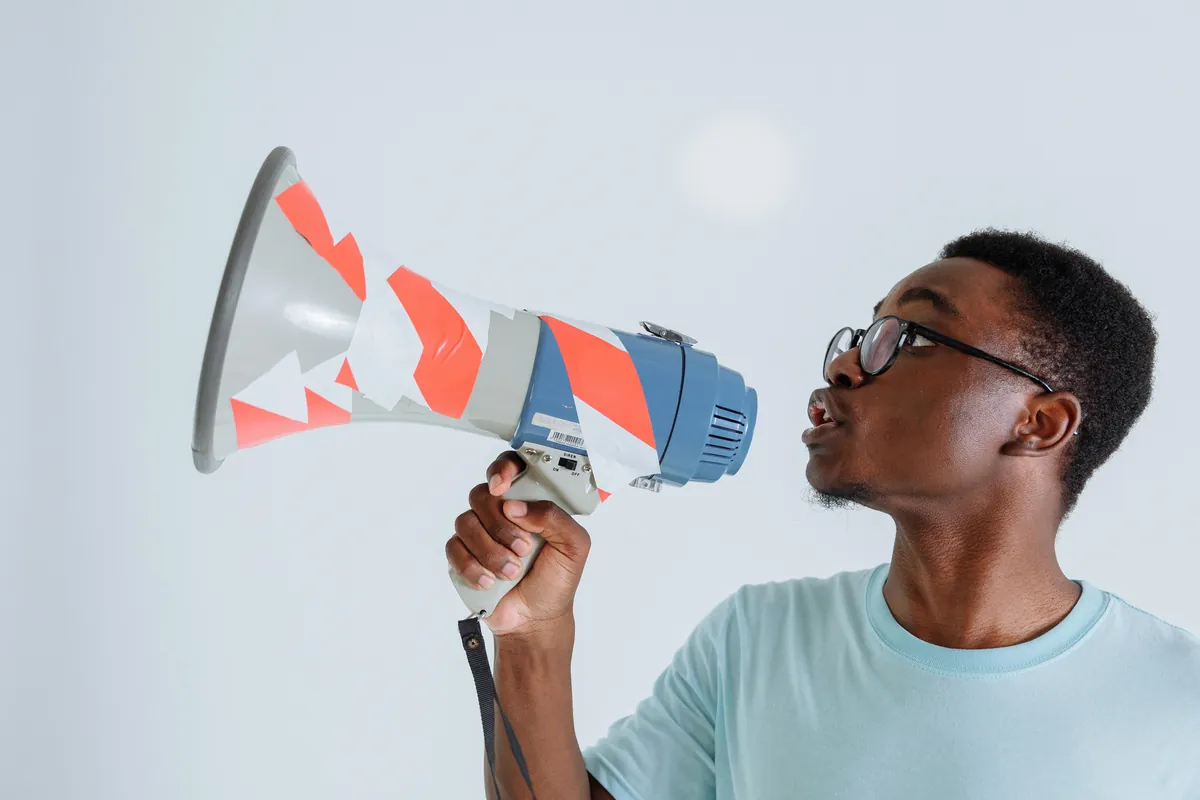
In recent years, a growing number of people have expressed feelings that go beyond simple medical skepticism—they say, “I don’t trust doctors anymore.” This shift is striking because for generations, doctors were seen as the ultimate authority on health and wellbeing. What has changed? Why do some patients now hesitate to rely on their healthcare providers?
The reasons are complex, involving personal experiences, wider social trends, and challenges within the medical system itself. This article explores why trust in doctors is declining for many, the impact of this shift, and how both patients and healthcare professionals can work toward rebuilding confidence.
Why Is Trust in Doctors Declining?
Changing Patient Expectations
One factor behind the growing distrust is how patient expectations have evolved. Rather than passively accepting advice, people today actively research their symptoms online and want to be involved in decisions about their care. When doctors don’t acknowledge these efforts or communicate clearly, patients can feel dismissed or unheard.
In this context, hearing “I don’t trust doctors anymore” often reflects frustration over communication gaps. Patients want to be partners in their care, not simply recipients of orders.
Medication Mistakes and Diagnostic Errors
Incidents involving medication errors or misdiagnoses also fuel doubts about medical reliability. While medical professionals aim to reduce mistakes, the complexity of healthcare means errors still occur. Patients who experience or hear about such cases may lose confidence in the system.
Moreover, sensational media coverage of medical malpractice cases can exaggerate fears, making trust harder to maintain.
The Rise of Misinformation
The internet has brought unprecedented access to health information—but it has also spread misinformation faster than ever. Alternative treatments, conspiracy theories, and selective stories about medical failures circulate widely on social media platforms.
This environment creates confusion, making some people doubt traditional medicine and doctors, leading to statements like “I don’t trust doctors anymore.” Without clear, trusted guidance, patients sometimes turn away from professional advice.
Consequences of Distrust in Medical Professionals
Delayed or Avoided Care
When people lose trust in doctors, they often delay seeking medical attention or avoid it completely. Ignoring symptoms or refusing recommended treatments can worsen health outcomes and increase risks for serious conditions.
Reduced Treatment Adherence
Distrust can also lead patients to ignore prescriptions, stop medications prematurely, or turn to unproven remedies instead. Poor adherence undermines the effectiveness of care and can create frustration for both patients and providers.
Increased Stress for Healthcare Providers
Doctors and nurses feel the impact too. A lack of trust makes their jobs more challenging, increasing stress and sometimes leading to burnout. This can further harm patient care and strain the healthcare system.
How Can Trust Be Rebuilt?
Improving Communication and Empathy
One of the most effective ways to restore trust is for doctors to practice clear, empathetic communication. Taking time to listen, validating patient concerns, and explaining diagnoses and treatments thoroughly helps patients feel respected and involved.
Techniques like shared decision-making encourage collaboration instead of hierarchy, strengthening the doctor-patient relationship. Who Is Pete Hedgeseth? Rising Star in Today’s News Landscape
Transparency About Risks and Limitations
Doctors being honest about the limits of medicine—acknowledging uncertainties or risks—builds credibility. Patients understand that no treatment is perfect, but openness fosters trust much more than overpromising.
Addressing Medical Errors Proactively
When mistakes happen, how they are handled matters. Prompt disclosure, sincere apologies, and steps to prevent recurrence can reassure patients and preserve trust.
Leveraging Technology Responsibly
Digital health tools like telemedicine or patient portals can enhance communication and access. However, they should complement—not replace—human interaction to maintain a personal connection.
What Patients Can Do When They Feel Distrustful
Seek Second Opinions
If you feel uneasy about a diagnosis or treatment plan, asking for a second opinion is a valid step. Different perspectives can clarify options and increase confidence in decisions.
Choose Providers Carefully
Building a trusting relationship often depends on a good match. Taking time to find doctors who listen actively and communicate well can make all the difference.
Engage Actively in Your Care
Prepare questions before visits, take notes, and don’t hesitate to ask for clarification. Being an informed, involved patient helps build mutual respect. The Golden Thread: Why It’s Transforming Legal and Government Transparency
The Road Ahead for Trust in Medicine
Trust in doctors may be challenged in today’s complex health landscape, but it is not beyond repair. Both healthcare providers and patients share responsibility to foster relationships based on respect, honesty, and open dialogue. Wikipedia
Recognizing the reasons behind feelings like “I don’t trust doctors anymore” is the first step toward addressing them. With commitment on all sides, trust can grow, leading to better health outcomes and a stronger healthcare system overall.
FAQ
Why do some people say, “i don't trust doctors anymore“?
Many factors contribute, including poor communication, experiences of medical errors, exposure to misinformation, and changing patient expectations. These elements can create feelings of doubt or disappointment with healthcare providers.
Is it common to lose trust in doctors?
While many people trust their doctors, distrust is growing in some groups due to cultural shifts, increased access to information, and occasional negative experiences. This trend highlights the importance of improving doctor-patient relationships.
How can patients rebuild trust with their doctors?
Patients can foster trust by choosing providers they feel comfortable with, seeking second opinions when uncertain, asking questions, and actively participating in their care decisions.
What role does communication play in trust?
Effective, empathetic communication is crucial. When doctors listen carefully and explain medical information clearly, patients feel respected and are more likely to trust their care providers.
Can technology help improve trust in healthcare?
Yes. When used properly, tools like telemedicine and patient portals enhance access and information sharing. However, they should support—not replace—personal interactions between patients and doctors.