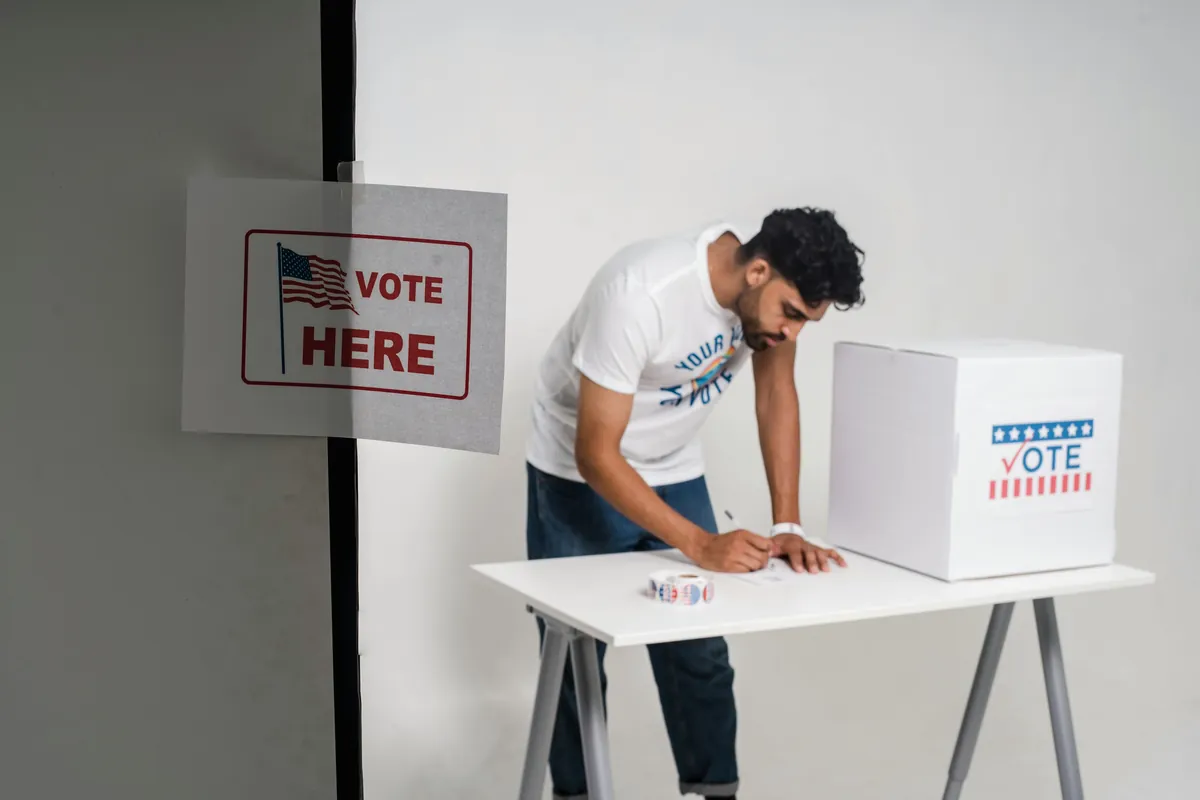
In today’s fast-evolving media landscape, beverage news might seem like a niche topic, but it plays a surprising role in shaping political discourse and policy-making. From taxes on sugary drinks to regulations on alcohol sales, the beverage industry often finds itself at the crossroads of public health, economic interests, and government regulation.
Understanding the intersection of beverage trends and politics can provide valuable insights into broader societal shifts. Whether it’s a new soda tax proposal or debates over the labeling of alcoholic beverages, these issues reflect deeper political priorities around health, commerce, and consumer rights.
In this article, we explore key developments in beverage news relevant to political discussions, highlighting how what you drink is increasingly influenced by policy decisions and political debates. Keeping up with this evolving landscape is essential for consumers, industry stakeholders, and policymakers alike. Wikipedia
The Political Landscape Surrounding Beverage Regulations
Sugary Drink Taxes: A Growing Trend
Many governments worldwide have been implementing or considering taxes on sugary beverages to combat rising obesity rates and related health problems. These beverage news stories often spark intense debate between health advocates and industry representatives.
Public health officials argue that taxing sugary drinks discourages consumption, leading to better health outcomes. Politicians supporting such taxes emphasize their role in reducing healthcare costs by preventing obesity, diabetes, and heart disease.
On the other hand, beverage companies and some consumer groups argue that these taxes unfairly burden consumers and small businesses. The political tug-of-war over sugary drink taxes exemplifies how beverage news can ignite broader discussions about government intervention in markets.
Alcohol Policy and Regulatory Changes
Alcohol regulation is another area where beverage news frequently intersects with politics. Changes to sales restrictions, advertising rules, and taxation are subject to intense political debate at local, national, and international levels.
For example, some regions have relaxed alcohol sales laws to boost economic recovery post-pandemic, while others enforce stricter controls to address social concerns such as DUI incidents and underage drinking. Why the Sparkles Emoji Is Shaping Modern Political Discourse
Political leaders must balance public health goals with industry interests, consumer demand, and cultural factors. Monitoring beverage news on alcohol policy helps track this ongoing balancing act and its social implications.
Economic Implications of Beverage Industry Policies
Job Creation vs. Regulation Burdens
The beverage industry is a significant employer, spanning agricultural production, manufacturing, distribution, and retail. Political decisions impacting this sector have real consequences for employment and local economies.
While regulations and taxes aim to address health or environmental concerns, industry groups warn about potential job losses and decreased competitiveness. Politicians often face pressure to find policy solutions that protect public interests without stifling growth.
Trade and Import Policies Affecting Beverages
Beverage news also encompasses trade policies. Tariffs on imported goods, including coffee, tea, wine, and spirits, can become politically charged topics influencing international relations and domestic markets.
For instance, changes in trade agreements might lead to increased prices or altered availability of certain beverages, prompting political debates over protectionism versus free trade. These decisions affect both consumers and industry stakeholders, making beverage news a relevant lens for understanding broader economic policy trends.
Health and Environmental Issues Driving Political Debate
Public Health Campaigns and Beverage Choices
Governments often launch public health campaigns targeting beverage consumption patterns, especially around sugar, caffeine, and alcohol. These initiatives are deeply intertwined with political agendas on healthcare spending and preventive medicine.
Tracking beverage news related to these campaigns offers insight into how policymakers prioritize health interventions. It also reflects changing consumer awareness, which can influence voting behavior and public opinion on political leaders’ effectiveness.
Environmental Regulations and Sustainable Beverage Practices
Environmental concerns linked to beverage production and packaging are becoming increasingly prominent. Political debates focus on reducing plastic waste, water usage, and carbon footprints associated with beverage manufacturing.
New laws promoting eco-friendly packaging or taxing single-use plastic bottles highlight how environmental sustainability is shaping beverage news and influencing political priorities globally.
The Role of Media and Public Opinion in Beverage-Related Politics
How Beverage News Shapes Voter Behavior
Media coverage of beverage-related policies can significantly influence public perception and voter attitudes. For example, extensive reporting on soda taxes or alcohol restrictions may sway opinions on health priorities and government regulation philosophies.
Understanding this dynamic is crucial for politicians and advocacy groups looking to frame their messages effectively. Beverage news thus becomes a tool for shaping political narratives in broader socio-economic debates.
Social Media and Consumer Activism
Social media platforms are amplifying consumer voices around beverage issues, from calling for healthier options to protesting price hikes or packaging waste. These grassroots movements can rapidly gain political traction, pressuring lawmakers and companies to respond.
Monitoring such trends through beverage news updates enables a timely understanding of emerging political challenges and opportunities in the sector.
Conclusion: Why Following Beverage News Matters for Political Awareness
Beverage news is more than just a source of updates on drinks and industry trends; it reflects complex political, economic, and social dynamics. The intersection of beverage consumption and political decision-making sheds light on broader issues such as public health, economic policy, environmental sustainability, and consumer rights.
For voters, staying informed about these topics can enhance understanding of government policies that ultimately impact daily life. For industry professionals, awareness of the political landscape helps anticipate regulatory changes and market shifts.
In a world where seemingly simple matters like beverage choices become arenas for political debate, following relevant beverage news is essential for anyone interested in the interplay between politics and society.
FAQ
What is the significance of sugary drink taxes in politics?
Sugary drink taxes are used by governments to reduce consumption of unhealthy beverages and tackle public health issues such as obesity. They often become politically contentious due to opposing views on government regulation and economic impact.
How do alcohol policies affect political debates?
Alcohol policies involve balancing public health concerns with economic interests and cultural norms. Changes in sales laws, advertising, and taxation regularly feature in political discussions and influence social behavior.
Why should consumers follow beverage news related to politics?
Beverage news reveals how government decisions impact prices, availability, and regulations of common drinks. Staying informed helps consumers understand broader issues like health initiatives, economic policies, and environmental actions.
Can beverage industry policies influence employment?
Yes, political regulations on the beverage sector can affect jobs across production, distribution, and retail. Policymakers often weigh the benefits of regulation against potential economic consequences for workers.
What role does social media play in beverage-related political issues?
Social media platforms allow consumers to voice opinions quickly, influencing political agendas and prompting responses from lawmakers and companies on beverage-related topics such as health, pricing, and sustainability.