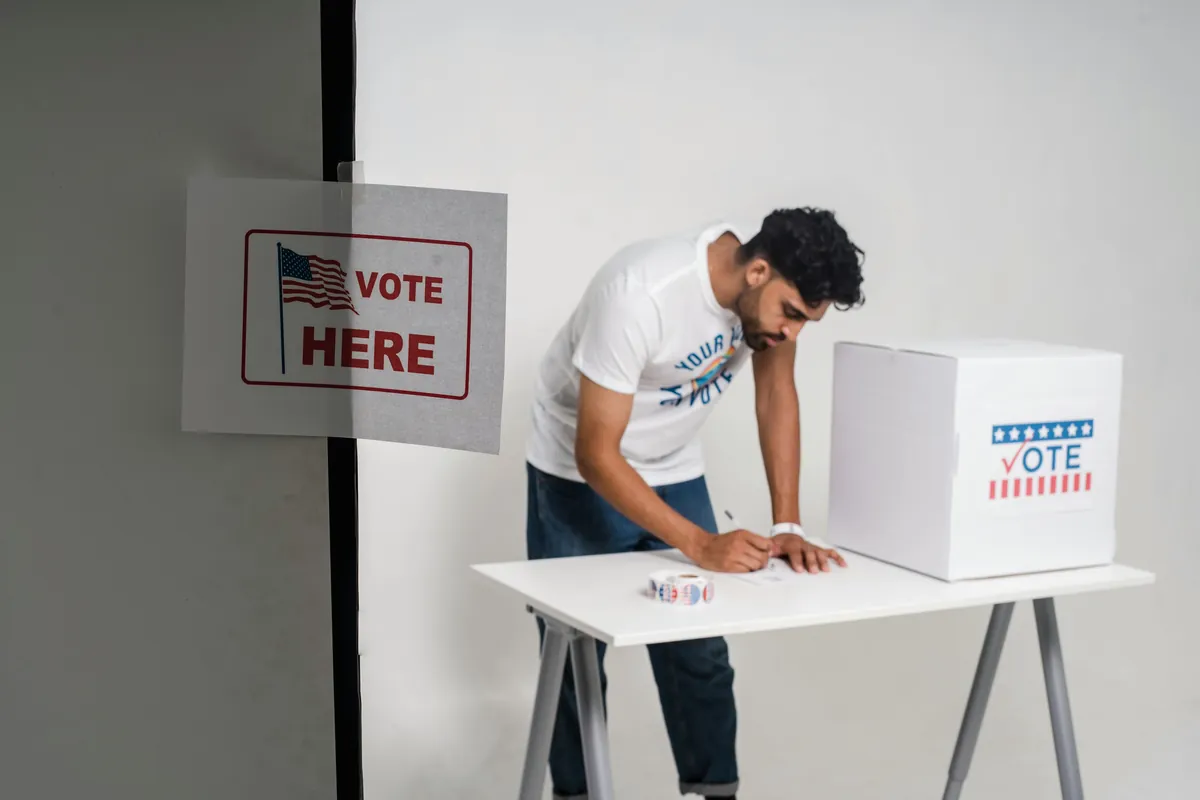
College football is more than just a beloved American sport; it is a cultural institution that intersects with the nation’s politics in surprisingly profound ways. From campus protests and political endorsements to debates about race, education funding, and free speech, college football serves as a unique lens to examine the broader political dynamics in the United States. This article explores how college football and politics intertwine, influencing public discourse, shaping policy debates, and reflecting social change.
The Historical Intersection of College Football and Politics
To understand the current political dimensions of college football, it’s helpful to look at its historical roots. College football dates back to the late 19th century, quickly becoming a symbol of American values such as teamwork, competition, and school pride. Over time, it evolved into a massive industry, with millions of fans, lucrative broadcasting deals, and significant influence on local economies.
Politicians have long recognized the sport’s sway over public opinion. For example, presidents have famously used college football games as platforms for public appearances or expressions of patriotism. During World War II, college football was used as a tool to boost morale and promote national unity. Such historical precedents reveal the sport’s power as a cultural and political force.
College Football as a Platform for Political Expression
Player Activism and Social Movements
In recent years, college football players have increasingly used their visibility to advocate for social justice and political causes. From kneeling during the national anthem to raise awareness about racial inequality to organizing campaigns that support voting rights, athletes have become vocal participants in political discourse.
One notable example is the movement sparked by the protests of NFL players like Colin Kaepernick, which found echoes in college football circles. Universities have sometimes faced controversies when players express political views, leading to debates over free speech rights and institutional responsibilities. These moments illustrate how college football serves as both a battleground and a forum for societal issues.
University Policies and Political Pressure
University administrations often navigate complex political pressures related to their football programs. Issues such as player safety, concussion protocols, and compensation have political dimensions that involve legislators, advocacy groups, and university trustees. The debate over paying college football players, for instance, has sparked political discussions about labor rights and the commercialization of higher education.
State governments have taken initiatives to regulate college sports more tightly, sometimes clashing with national governing bodies like the NCAA. The political tug-of-war reflects broader questions about governance, fairness, and the role of education institutions in society.
The Economic and Political Impact of College Football
Local Economies and Political Influence
College football generates billions of dollars annually, significantly impacting local and state economies. This financial power translates into political influence, as university athletic departments lobby for funding, stadium expansions, and favorable regulations. Politicians often campaign on platforms promising support for college sports, recognizing the vote bank of passionate fans and university alumni.
In some states, college football teams are among the largest employers, making their well-being a political priority. For example, states with prominent football programs like Alabama, Ohio, and Texas frequently see political debates around funding for academic versus athletic programs.
Broadcasting Rights and Political Decisions
Television contracts for college football games are among the most lucrative in sports, involving negotiations that sometimes attract political attention. Issues such as media consolidation, broadcast accessibility, and public funding for stadiums intersect with policy decisions at various government levels.
Moreover, televised college football often features patriotic displays and political messaging, especially during election seasons, subtly shaping viewers’ attitudes and political engagement.
College Football, Race, and Politics
The Role of African American Athletes
College football has played a critical role in discussions about race and equality in the United States. Historically, African American athletes faced significant barriers to participation, with many universities excluding Black players well into the mid-20th century. The integration of college football teams paralleled the civil rights movement and became a political statement in itself. Politico politics and policy
Today, predominantly Black football teams at historically Black colleges and universities (HBCUs) continue to highlight issues of racial equity in sports funding and media coverage. Additionally, prominent Black college football players often emerge as political figures or activists, using their platforms to challenge systemic injustice.
Political Debates Over Mascots and Symbols
College football teams’ use of Native American mascots and symbols has sparked political and social debates. Many argue that such imagery perpetuates harmful stereotypes and cultural appropriation, while others defend it as tradition. Legislators, advocacy groups, and educational institutions have engaged in policy discussions about whether to ban or retain these symbols, making college football a focal point in broader cultural politics.
The Future of College Football in a Political Context
As college football continues to grow in popularity and economic significance, its political implications will likely deepen. Key issues such as player compensation, athlete health rights, free speech, racial justice, and institutional accountability will remain at the forefront of political debates involving college athletics.
Moreover, the increasing visibility of player activism suggests that college football will be a critical platform for political engagement among younger generations. Universities and political leaders alike must recognize the sport’s dual role as both an entertainment spectacle and a space for meaningful societal dialogue.
Frequently Asked Questions
How does college football influence political decisions?
College football impacts political decisions by generating significant economic activity, shaping public opinion, and providing a platform for social and political expression. Politicians often respond to the interests of stakeholders connected to football programs when crafting policies related to education funding, labor rights, and public infrastructure.
Why do college football players often engage in political activism?
College football players have a high public profile and experience unique social challenges, which motivates many to advocate for political causes such as racial justice, voting rights, and social equality. Their activism leverages their visibility to raise awareness and influence change.
What controversies exist around college football mascots and politics?
Many college football teams use mascots or symbols tied to Native American cultures, which critics argue are offensive and perpetuate stereotypes. This has led to political debates and policy proposals to ban or change such imagery in favor of more respectful representations.
How does college football affect local economies politically?
College football drives local economies through ticket sales, tourism, and related business activity. Politicians often advocate for financial support or policy favoring teams and facilities to sustain these economic benefits, making football programs a key factor in regional political strategies.
What is the NCAA’s role in the politics of college football?
The NCAA governs college athletics and sets rules that have political implications, such as eligibility requirements and athlete compensation policies. Its decisions often intersect with legislative actions and court rulings, making college football governance a contested political arena.