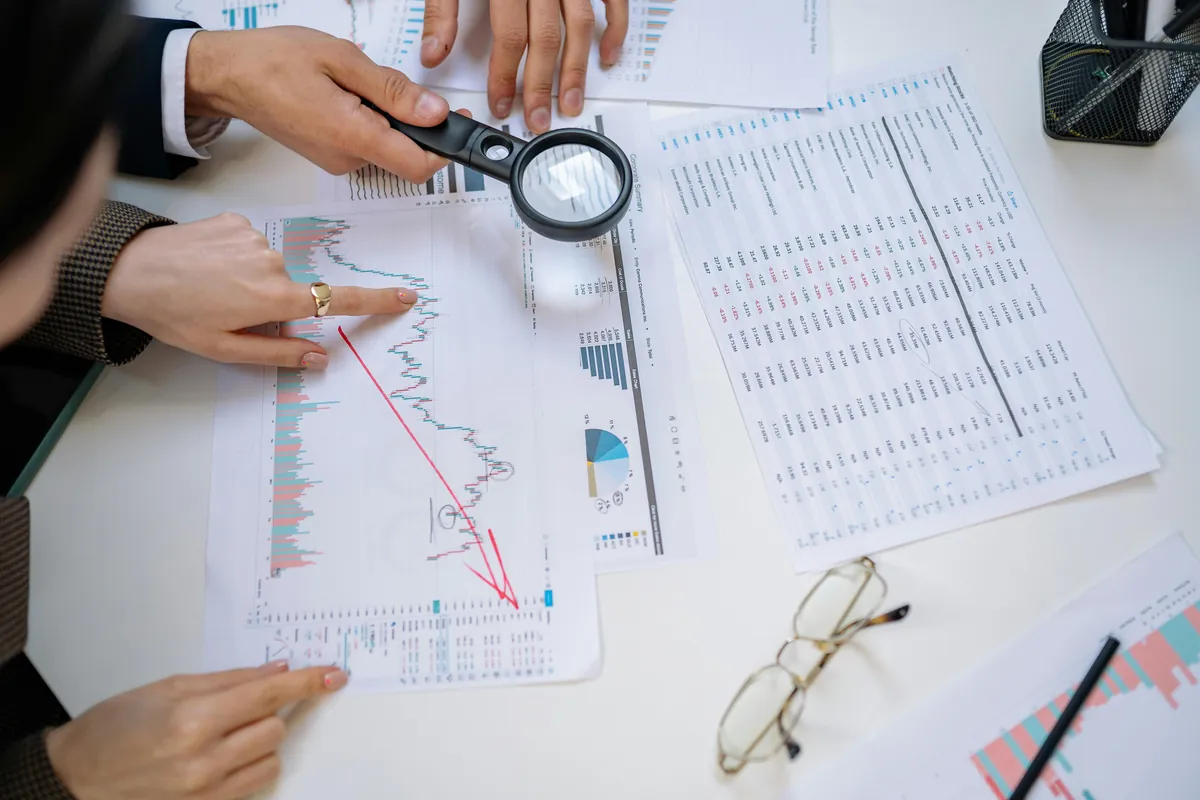
The stock market usa stands as a cornerstone of the world’s financial system, influencing economies, businesses, and personal wealth. In recent years, technology has revolutionized how investors access, analyze, and trade stocks across American markets. This article explores the intersection of technology and the U.S. stock market, detailing its evolution, current landscape, and future prospects to provide readers with a clear understanding of how these forces shape investment today.
The Foundation of the Stock Market USA
The stock market USA primarily comprises several major exchanges, including the New York Stock Exchange (NYSE) and NASDAQ. These platforms facilitate the buying and selling of shares from thousands of publicly traded companies, enabling capital flow vital to economic growth and corporate development.
Historically, the U.S. stock market has been a bellwether for economic health, reflecting investor sentiment and broader economic trends. Since its inception in the late 18th century, it has evolved from floor-based open outcry trading into a predominantly electronic marketplace.
Key Players and Market Structure
Several participants drive the stock market ecosystem. Institutional investors, such as mutual funds, pension funds, and hedge funds, account for a significant portion of trading volume and influence market movements. Retail investors, numbering millions, increasingly engage via online platforms. Market makers and brokers ensure liquidity and efficient trade execution.
The regulatory framework is overseen by the U.S. Securities and Exchange Commission (SEC), which enforces transparency, fairness, and investor protection. Exchange operators themselves implement rules governing listing standards, trading protocols, and compliance.
Technology’s Impact on the Stock Market USA
Technology has fundamentally transformed stock market operations. From trading mechanisms to data analytics, technological innovation drives efficiency, accessibility, and sophistication. TechCrunch technology news
Electronic Trading and Automation
One of the most significant technological shifts was the transition to electronic trading platforms. Beginning in the 1970s and accelerating through the 1990s and 2000s, traditional manual trading floors gave way to computerized systems that handle orders with speed and accuracy.
Today, algorithmic trading dominates a substantial share of daily volume. Sophisticated computer programs execute trades at millisecond speeds, scanning for the best prices and arbitrage opportunities. This automation enhances market liquidity and narrows bid-ask spreads, benefiting all investors.
Data Analytics and Artificial Intelligence
Investors now rely heavily on big data and artificial intelligence (AI) to make informed decisions. Advanced algorithms analyze vast datasets — including historical prices, company financials, news sentiment, and social media trends — to identify patterns and forecast stock movements.
AI-powered tools provide personalized investment advice, portfolio optimization, and risk management. These technologies democratize access to insights previously available only to institutional players.
Mobile Trading and Accessibility
Smartphone apps and online brokerages have transformed retail investing. Platforms like Robinhood, E*TRADE, and Fidelity enable users to buy and sell stocks instantly, often commission-free, lowering the barrier to entry for new investors.
This accessibility has contributed to a surge in retail participation, reshaping market dynamics and fostering a more diverse investor base.
Recent Trends and Innovations in the U.S. Stock Market
The Rise of ESG and Tech-Driven Investment Strategies
Environmental, Social, and Governance (ESG) investing has gained momentum, with technology enabling better measurement and reporting of corporate sustainability practices. Investors increasingly use tech tools to screen companies based on ESG criteria, aligning portfolios with ethical values.
The Growth of Fractional Shares and Robo-Advisors
Technological platforms now allow investors to purchase fractional shares, making high-priced stocks more accessible. Robo-advisors utilize algorithms to manage diversified portfolios automatically, tailoring strategies to individual risk profiles and goals.
Blockchain and Tokenization
Blockchain technology promises to revolutionize stock market infrastructure by enabling secure, transparent, and instant settlement of trades through distributed ledgers. Tokenization of assets offers the potential for fractional ownership, increased liquidity, and 24/7 trading outside traditional market hours.
Challenges and Risks in a Technology-Driven Stock Market
While technology enhances the stock market, it also introduces challenges and risks.
Market Volatility and Flash Crashes
Algorithmic trading can exacerbate market volatility. Rapid automated sell-offs have triggered “flash crashes,” where market prices plummet drastically within seconds before partially recovering. Regulators continue to refine safeguards to mitigate such risks.
Cybersecurity Threats
The digital infrastructure of stock exchanges, brokers, and data providers is vulnerable to cyberattacks. Breaches can disrupt trading, compromise sensitive information, and erode investor confidence. Continuous investment in security protocols is essential to protect market integrity.
Information Overload and Investor Behavior
The vast volume of data and news can overwhelm investors, sometimes leading to impulsive decisions driven by misinformation or hype. Educational resources and technological filters help users navigate information more effectively.
The Future Outlook of Stock Market USA and Technology
Technology’s evolution will continue to reshape the U.S. stock market. Emerging breakthroughs in quantum computing, machine learning, and decentralized finance (DeFi) promise further innovation.
We can expect enhanced real-time analytics, more sophisticated risk modeling, and continued expansion of global market access. Investors stand to benefit from greater transparency, efficiency, and inclusivity — provided regulatory frameworks keep pace with technological change.
For market participants, staying informed about technological trends and their implications is critical. Understanding how technology intersects with market mechanics empowers investors to make smarter, more confident decisions in the dynamic world of the stock market USA.
Frequently Asked Questions
What is the stock market USA?
The stock market USA refers to the collection of exchanges in the United States, such as the NYSE and NASDAQ, where shares of publicly traded companies are bought and sold. It is one of the largest and most influential financial markets globally.
How has technology changed stock trading in the U.S.?
Technology has enabled electronic trading, algorithmic and high-frequency trading, mobile investment platforms, and advanced data analytics, making trading faster, more efficient, and accessible to a broader range of investors.
What are some risks associated with technology in the stock market?
Risks include increased market volatility due to automated trading, cybersecurity threats targeting financial systems, and information overload that can lead to poor investment decisions.
How do retail investors participate in the stock market today?
Retail investors can trade stocks through online brokerages and mobile apps, often with low fees and user-friendly interfaces, allowing them to buy shares, fractional shares, and access investment advice tools.
What future technologies might impact the U.S. stock market?
Emerging technologies like blockchain for trade settlement, AI for predictive analytics, quantum computing for complex modeling, and decentralized finance platforms could significantly transform market operations and accessibility in the coming years.