
Dogecoin, initially created as a lighthearted cryptocurrency featuring the Shiba Inu dog from the popular meme, has evolved into a significant player in the digital currency market. While most coverage around Dogecoin focuses on its price volatility, celebrity endorsements, and market impact, the health dimension is rarely discussed. This article dives into the intersections of dogecoin news and health—examining how the fast-paced world of cryptocurrency trading can affect mental and physical well-being, and offering practical advice for staying healthy amid the hype.
The Rise of Dogecoin: From Meme to Market Phenomenon
Dogecoin was launched in December 2013 as a joke by software engineers Billy Markus and Jackson Palmer. Its mascot, a smiling Shiba Inu dog, quickly captured public imagination, making Dogecoin a favorite among online communities. Over time, Dogecoin grew beyond its novelty status, fueling a passionate fan base that helped propel the coin’s value during market surges—especially noticeable during 2020 and 2021 when figures like Elon Musk publicly endorsed it.
This popularity surge triggered a frenzy of trading activity, drawing in millions of investors—many of whom were new to cryptocurrencies. This influx intensified volatility and media coverage, keeping Dogecoin constantly in the spotlight under the umbrella of “Dogecoin news.” However, this attention also brought with it heightened stress, uncertainty, and health risks associated with rapid financial speculation.
Cryptocurrency and Mental Health: The Stress Behind the Headlines
The Emotional Rollercoaster of Trading Dogecoin
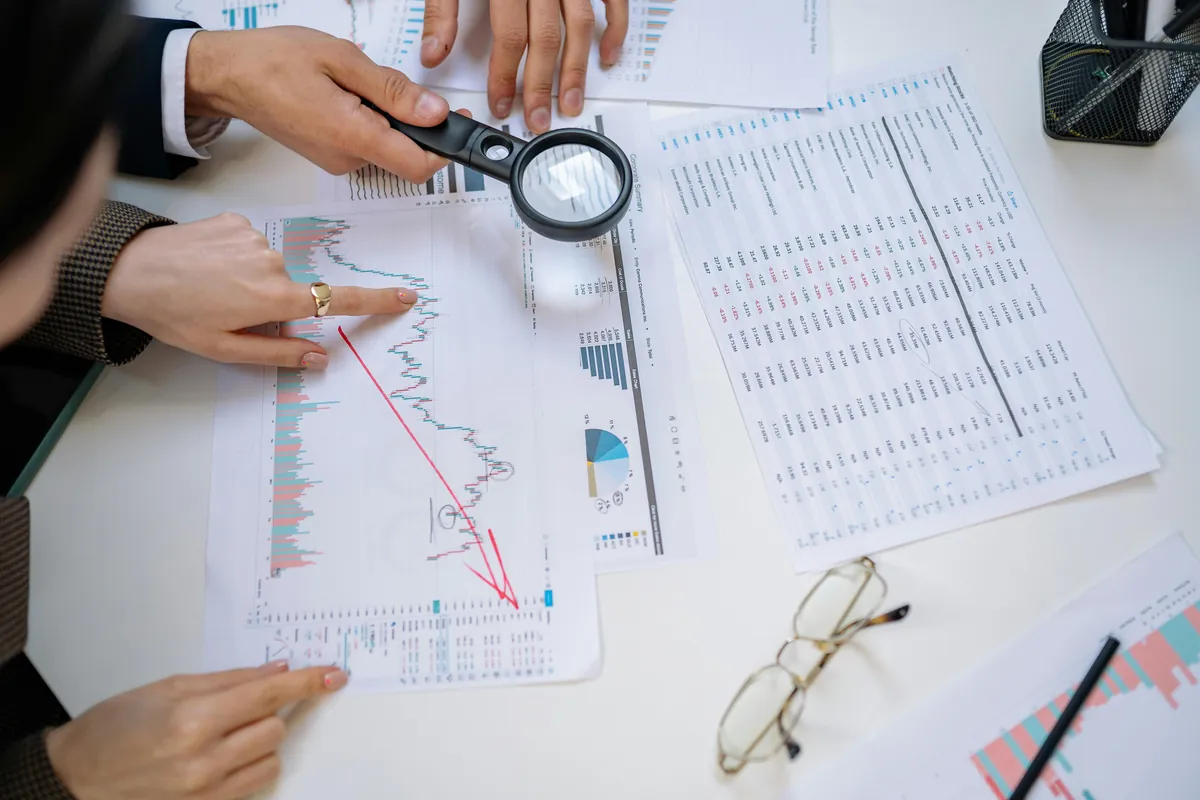
Trading cryptocurrencies like Dogecoin can be an emotional rollercoaster. Prices can swing wildly within hours, sometimes spiking on nothing more than a tweet or a viral social media post. Investors often find themselves glued to their phones, obsessively refreshing price charts and news feeds to keep up with the latest Dogecoin news.
This pattern can contribute to anxiety, stress, and even depression. The American Psychological Association has noted that financial uncertainty is a leading source of stress for many people. In the context of cryptocurrencies, this is magnified because of the unpredictable nature of the market and the lack of traditional safety nets like insurance or government regulation.
Example: The 2021 Dogecoin Surge and Crash
In early 2021, Dogecoin surged from a fraction of a cent to nearly 70 cents within a few months, fueled by social media hype and celebrity endorsements. Many investors who jumped in during the peak experienced rapid gains but also faced steep losses when the price corrected sharply. Stories emerged of people holding off on sleep, neglecting work, or experiencing panic attacks due to the stress of watching their investments fluctuate so dramatically.
Physical Health Impacts: The Hidden Costs of Cryptocurrency Obsession
Sedentary Lifestyles and Screen Time
Following real-time Dogecoin news often means extended periods of screen time. Traders and investors may spend hours on their phones or computers analyzing charts and reading updates. This sedentary behavior can contribute to a range of health issues such as eye strain, headaches, poor posture, and disrupted sleep patterns.
For example, the blue light emitted by screens can interfere with melatonin production, making it harder to fall asleep. Sleep deprivation, in turn, exacerbates stress and impairs cognitive functions, including decision-making and impulse control—both critical skills for anyone engaged in trading cryptocurrencies.
The Impact of Stress on Physical Health
Stress from volatile markets doesn’t just affect the mind; it also influences cardiovascular health. Research consistently links chronic stress to increased blood pressure, higher risk of heart disease, and weakened immune function. For individuals deeply involved in following Dogecoin news and trading, the physiological toll can be significant if not managed properly. WebMD health information
How to Maintain Health While Engaged with Dogecoin and Cryptocurrency
Set Boundaries for News Consumption
One of the simplest ways to protect your mental well-being is to limit how often you check Dogecoin prices and news updates. Consider creating specific times during the day to catch up on market developments rather than monitoring continuously. This practice prevents obsessive behavior and allows your mind to rest.
Practice Mindfulness and Stress-Reduction Techniques
Incorporate mindfulness exercises such as deep breathing, meditation, or yoga into your daily routine. These activities help calm the nervous system and reduce the stress response triggered by intense market fluctuations. Apps like Headspace or Calm offer guided sessions perfect for beginners.
Maintain a Balanced Lifestyle
Physical activity is essential. Even short walks can counteract the sedentary effects of screen time and improve mood. Nutrition also plays a vital role; consuming balanced meals supports cognitive function and energy levels, aiding better decision-making when investing or following Dogecoin news.
Seek Professional Support if Needed
If feelings of anxiety, depression, or stress related to cryptocurrency trading persist, professional mental health support may be beneficial. Therapists and counselors are equipped to help individuals develop coping strategies tailored to their unique circumstances.
The Role of Media in Responsible Reporting on Dogecoin News
Media outlets covering Dogecoin and other cryptocurrencies bear a responsibility to report accurately and consider the potential impact of their stories on public mental health. Sensational headlines and hype can contribute to fear of missing out (FOMO), driving impulsive decisions. Balanced reporting that includes warnings about risks, volatility, and the potential psychological effects of trading is crucial for fostering informed and healthy investor behavior.
Conclusion: Navigating Dogecoin News with Health in Mind
Dogecoin continues to captivate investors, media, and the public with its unique blend of meme culture and financial opportunity. However, the rapid pace and emotional intensity of cryptocurrency trading can have tangible health impacts. By understanding these effects and adopting mindful habits, individuals can enjoy engaging with Dogecoin news and markets while safeguarding their mental and physical well-being.
Frequently Asked Questions
1. Can following Dogecoin news frequently harm my mental health?
Yes, constantly monitoring Dogecoin prices and updates can increase anxiety and stress due to the volatile nature of cryptocurrency markets. Limiting how often you check and setting specific times for updates can help manage this stress.
2. What are some physical health risks associated with trading cryptocurrencies like Dogecoin?
Extended screen time can lead to eye strain, headaches, and disrupted sleep patterns. Combined with stress, this can also contribute to cardiovascular problems and weaken immune function if not managed properly.
3. How can I stay healthy while keeping up with Dogecoin news?
Set boundaries for news consumption, practice mindfulness or relaxation techniques, engage in regular physical activity, and maintain a balanced diet. Seeking professional mental health support is advisable if you experience persistent stress or anxiety.
4. Does media coverage influence investor behavior in cryptocurrency markets?
Yes, media coverage can significantly impact investor sentiment. Sensational headlines or hype can cause impulsive decisions based on fear of missing out (FOMO). Responsible reporting is important to encourage informed and balanced investment decisions.
5. Is Dogecoin a good investment for mental health?
Investing in Dogecoin or any cryptocurrency carries risks due to market volatility, which can impact mental health. It is important to invest only funds you can afford to lose and to maintain a healthy balance between investment activities and self-care.






1 thought on “Dogecoin News: Understanding the Health Implications of Cryptocurrency Hype”