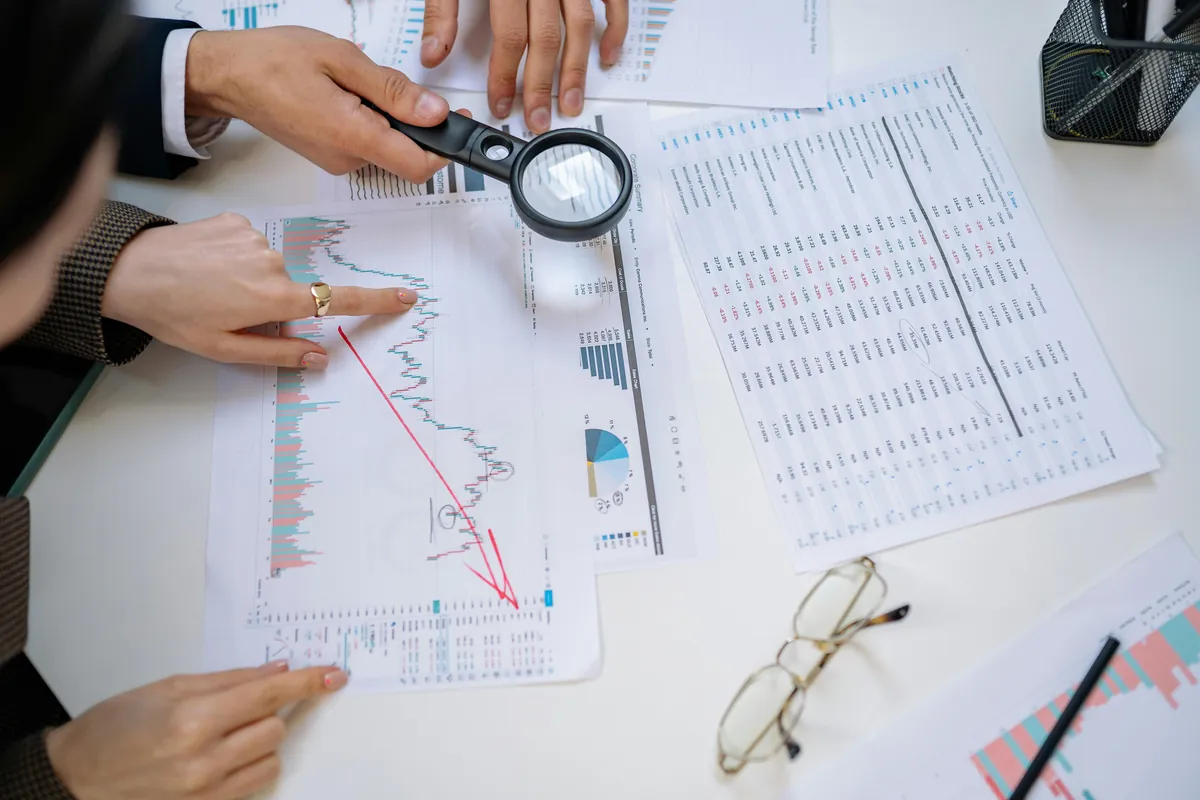
Platinum has long been considered a valuable precious metal, prized for its rarity and industrial uses. As financial markets evolve, CME platinum futures serve as a vital instrument for investors looking to gain exposure or hedge against price fluctuations. Understanding the cme platinum futures forecast is critical for anyone involved in commodities trading or portfolio diversification.
With the global economy facing a series of challenges and uncertainties, the demand and supply dynamics of platinum are shifting in real time. These changes directly impact futures prices, making it crucial to stay informed about the latest trends and emerging factors.
In this article, we will explore the main drivers influencing platinum futures, analyze recent market developments, and offer a balanced forecast. Whether you are a seasoned trader or simply curious about precious metals, this guide aims to provide clarity and context around the CME platinum futures market.
Understanding CME Platinum Futures
What Are Platinum Futures?
Platinum futures are standardized contracts traded on the Chicago Mercantile Exchange (CME) that obligate buyers and sellers to transact a specified amount of platinum at a predetermined price and date. These contracts allow investors and producers to hedge price risks or speculate on future movements of platinum’s value.
Why Platinum Futures Matter
Platinum stands out due to its dual role as an industrial metal and a precious investment asset. It’s widely used in catalytic converters, electronics, and jewelry. Futures markets for platinum provide liquidity and price discovery, helping stakeholders navigate the metal’s volatility effectively.
Key Factors Influencing the CME Platinum Futures Forecast
Supply Constraints and Mining Challenges
South Africa is the world’s largest platinum producer, accounting for more than 70% of global output. Political instability, labor strikes, and environmental regulations in key mining regions can disrupt supply and push platinum prices higher. Any forecast must consider these supply-side risks carefully.
Industrial Demand and Technological Shifts
Industrial demand drives a significant portion of platinum consumption. Growing adoption of green technologies, such as hydrogen fuel cells, has the potential to boost platinum usage. Conversely, advancements in alternative catalytic materials or reduced automobile emissions may slow demand.
Economic Indicators and Market Sentiment
Macroeconomic conditions like inflation rates, interest rates, and currency strength influence investor appetite for precious metals. For instance, platinum often behaves differently compared to gold or silver, reacting uniquely to shifts in economic confidence and financial policies.
Impact of Exchange Rates
As platinum is priced in U.S. dollars, fluctuations in the dollar’s value can affect futures prices. A weaker dollar typically supports higher platinum prices, as it becomes cheaper for holders of other currencies to purchase the metal.
Recent Trends in Platinum Futures
Price Movement Highlights
Over the past year, CME platinum futures have experienced periods of volatility, largely due to geopolitical tensions and evolving supply chain issues. Unexpected mining disruptions and fluctuating demand from the automotive sector created sharp price swings.
Market Positioning and Volume
Institutional investor activity in platinum futures has increased, signaling growing interest in the metal as a strategic asset. Trading volumes have risen, reflecting heightened market participation and greater liquidity for futures contracts.
CME Platinum Futures Forecast: What to Expect
Short-Term Outlook
In the near term, prices are expected to remain sensitive to supply news and economic data releases. With ongoing challenges in key mining regions, limited global inventory levels could keep upward pressure on futures prices. However, any improvement in industrial demand or easing geopolitical tensions may lead to price corrections.
Medium-to-Long-Term Perspective
Looking ahead, the forecast for CME platinum futures is cautiously optimistic. The growing role of platinum in clean energy applications, especially in hydrogen technologies, suggests steady demand growth. Supply constraints due to environmental policies may further tighten availability, potentially elevating prices over time.
Risks to Consider
Volatility in the financial markets, rapid changes in technological adoption, and unexpected shifts in global trade policies could disrupt forecasts. Investors should remain vigilant and prepared for a range of possible outcomes when trading platinum futures.
Strategies for Navigating the Platinum Futures Market
Hedging Against Price Volatility
Producers and consumers of platinum use futures contracts to lock in prices and mitigate the risk of adverse price movements. Effective hedging requires a solid understanding of futures mechanics and ongoing market monitoring.
Speculation and Trading Approaches
For traders seeking to capitalize on short-term price swings, technical analysis combined with an awareness of fundamental factors can improve decision-making. Staying updated on cme platinum futures forecasts helps to anticipate possible market moves. Wikipedia
Diversification Benefits
Adding platinum futures to a diversified investment portfolio can reduce overall risk due to the metal’s distinct price drivers compared to traditional equities or bonds. Long-term investors often view platinum as a hedge against inflation and currency depreciation. Why Every Man Needs a Quality Mens Fleece Quarter Zip in His Wardrobe
Conclusion
Accurately forecasting CME platinum futures requires a multifaceted approach that considers supply dynamics, industrial demand, macroeconomic indicators, and geopolitical developments. Although challenges remain, the outlook for platinum futures is promising, particularly as clean energy technologies begin to drive new demand patterns.
Investors and traders who stay informed and adapt their strategies accordingly will be better positioned to capitalize on opportunities in the platinum futures market. Keeping an eye on evolving trends and maintaining a balanced perspective is essential for success in this complex and dynamic space.
FAQ
What influences the price of CME platinum futures the most?
The price is primarily influenced by supply disruptions in major mining regions, industrial demand trends, economic indicators, and currency exchange rates, especially fluctuations in the U.S. dollar.
How do platinum futures differ from other precious metal futures?
Platinum futures are unique due to the metal’s concentrated supply base, mainly in South Africa, and its significant industrial uses, especially in automotive and clean energy sectors, which create distinct demand and price patterns.
Can CME platinum futures be used for hedging?
Yes, producers and consumers often use platinum futures to hedge against adverse price movements by locking in prices, thereby reducing market risk.
What impact does the global economy have on platinum futures?
Economic growth, inflation, interest rates, and geopolitical stability can all affect investor sentiment and industrial demand, influencing platinum futures prices accordingly.
Is platinum a good investment for the long term?
Given its industrial importance and potential role in emerging clean technologies, platinum can offer long-term growth opportunities, particularly for investors seeking diversification and a hedge against inflation.